
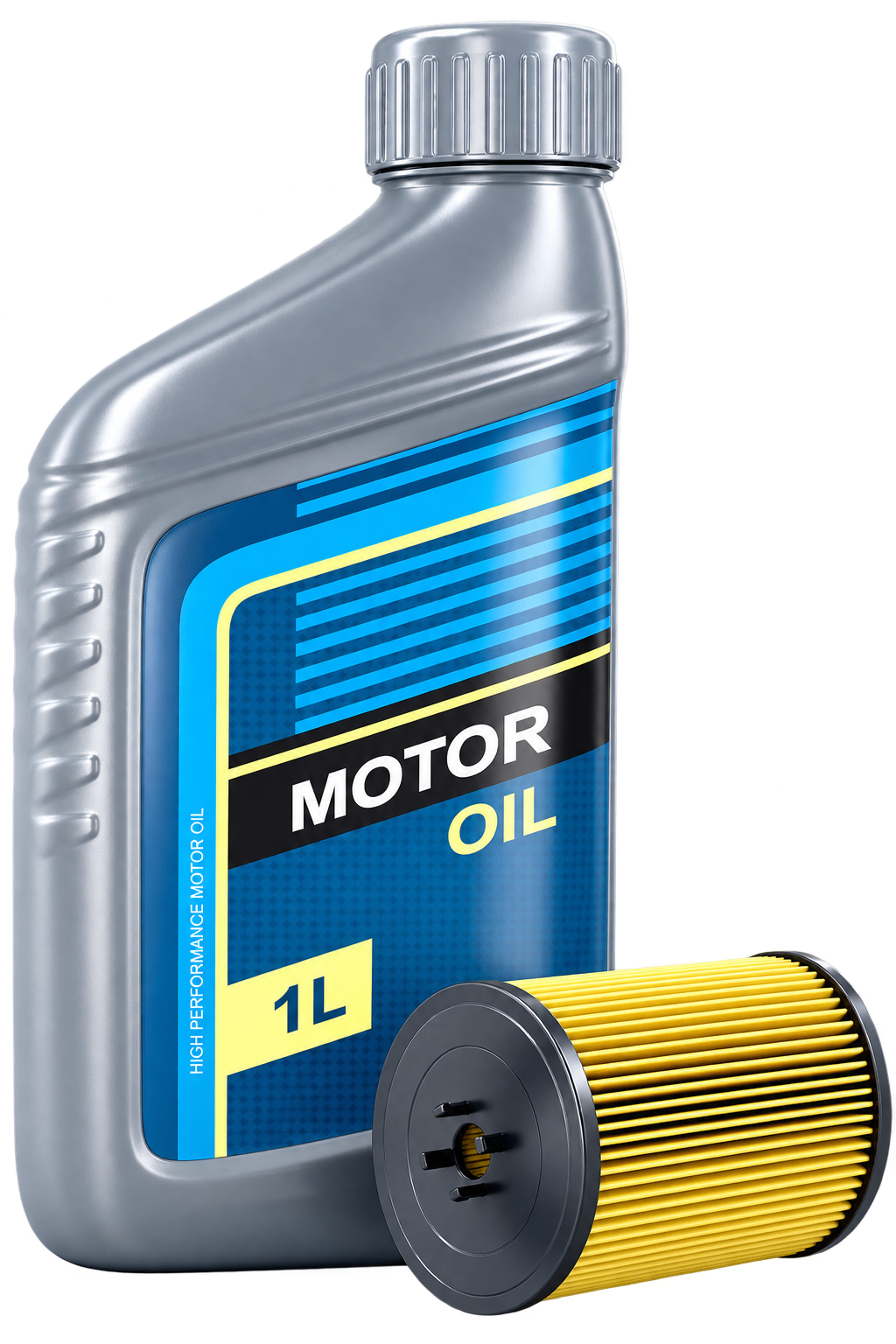
OIL & FILTER SERVICE
Premium oil and OE-quality filters support engine life, efficiency, and dependable performance.
VIEW SERVICEBMW vehicles are built with precision engineering and advanced technology that demand specialized knowledge. Multi Tech Auto provides dealership-quality diagnostics, maintenance, and repairs to keep your BMW performing at its best.
REQUEST BMW SERVICE
Explore our most requested services for BMW vehicles.
Premium oil and OE-quality filters support engine life, efficiency, and dependable performance.
VIEW SERVICE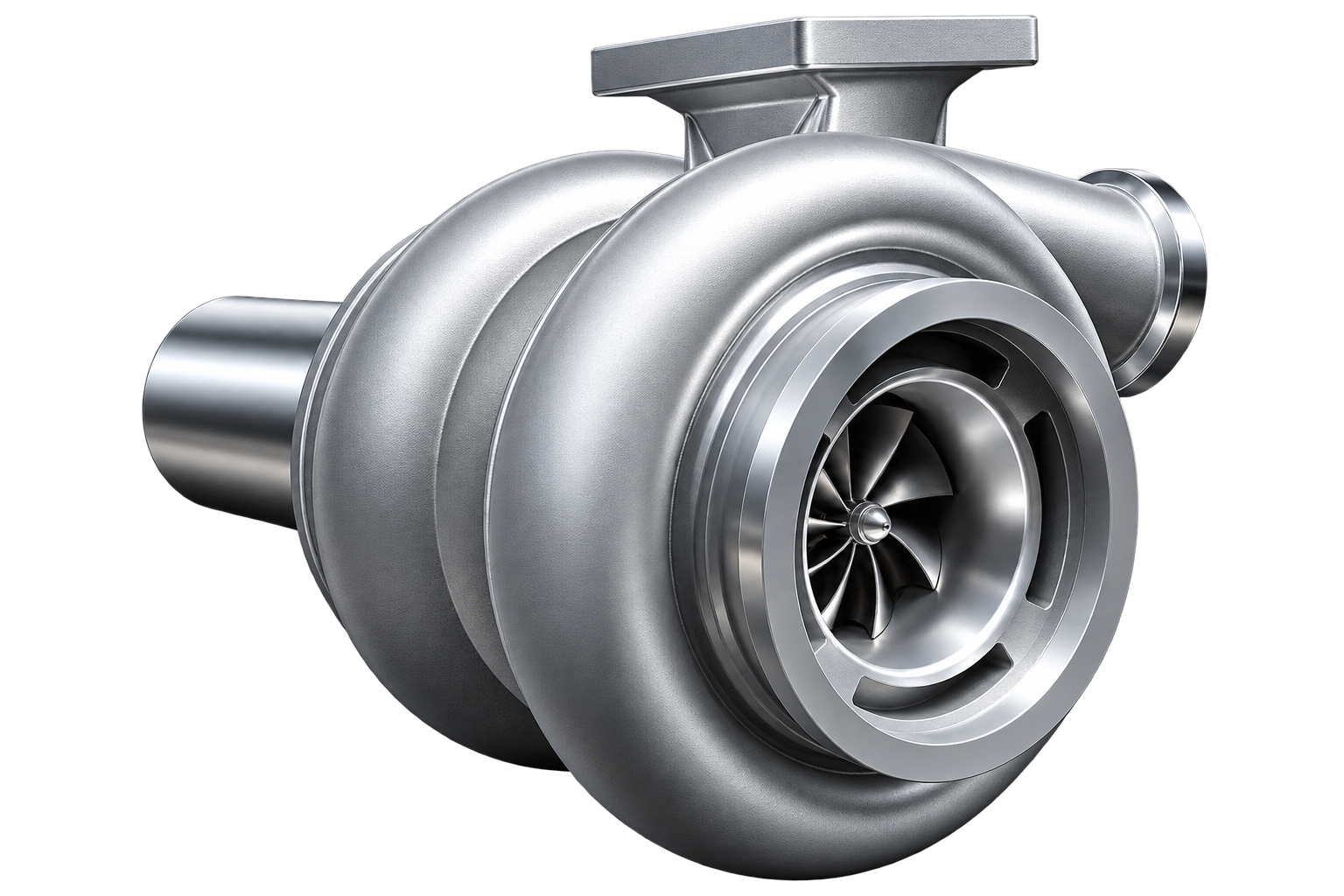
Expert diagnostics and repairs for BMW engines and turbocharger systems.
VIEW SERVICE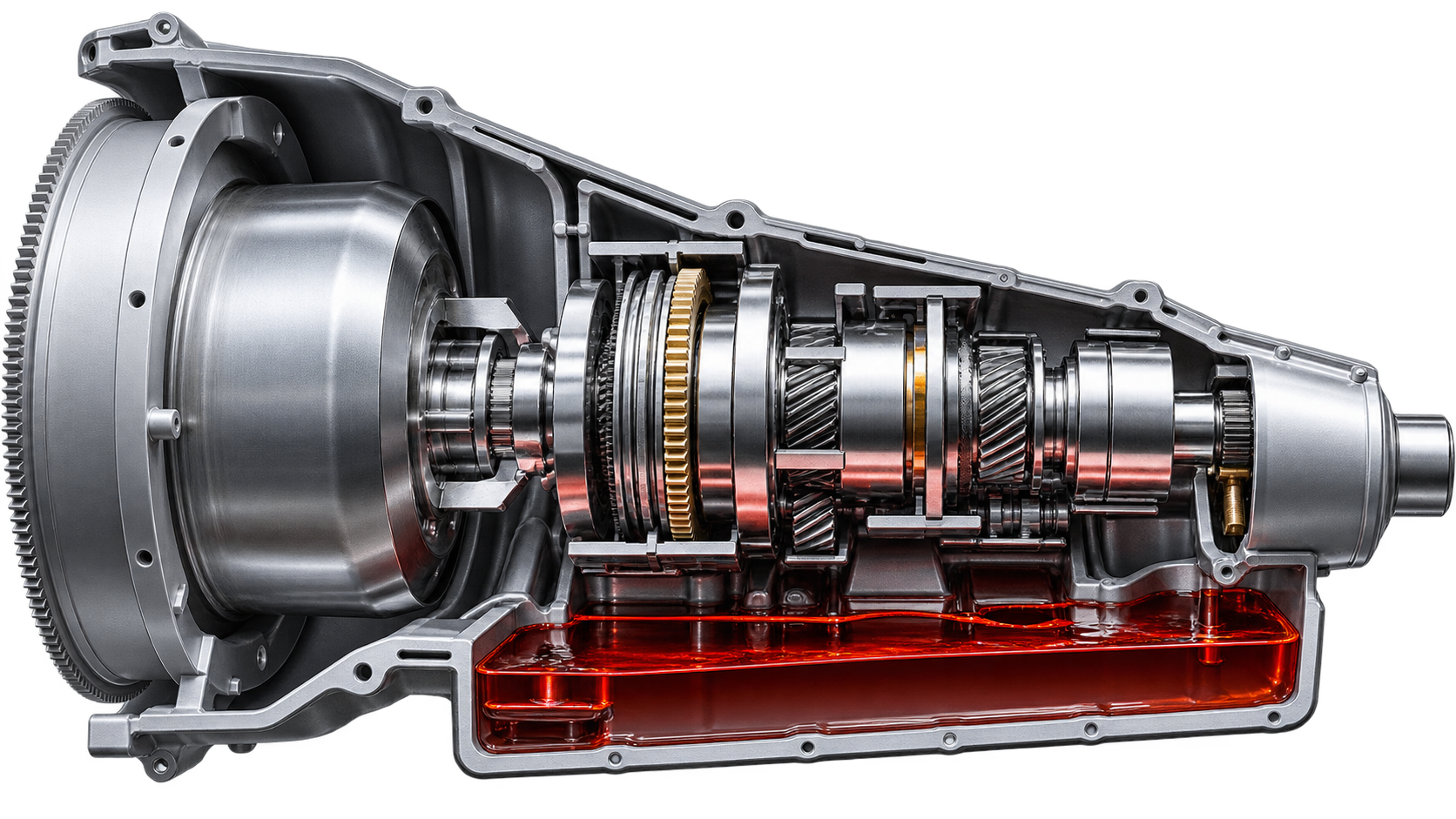
Specialized ZF transmission service for smooth shifting and reliable performance.
VIEW SERVICE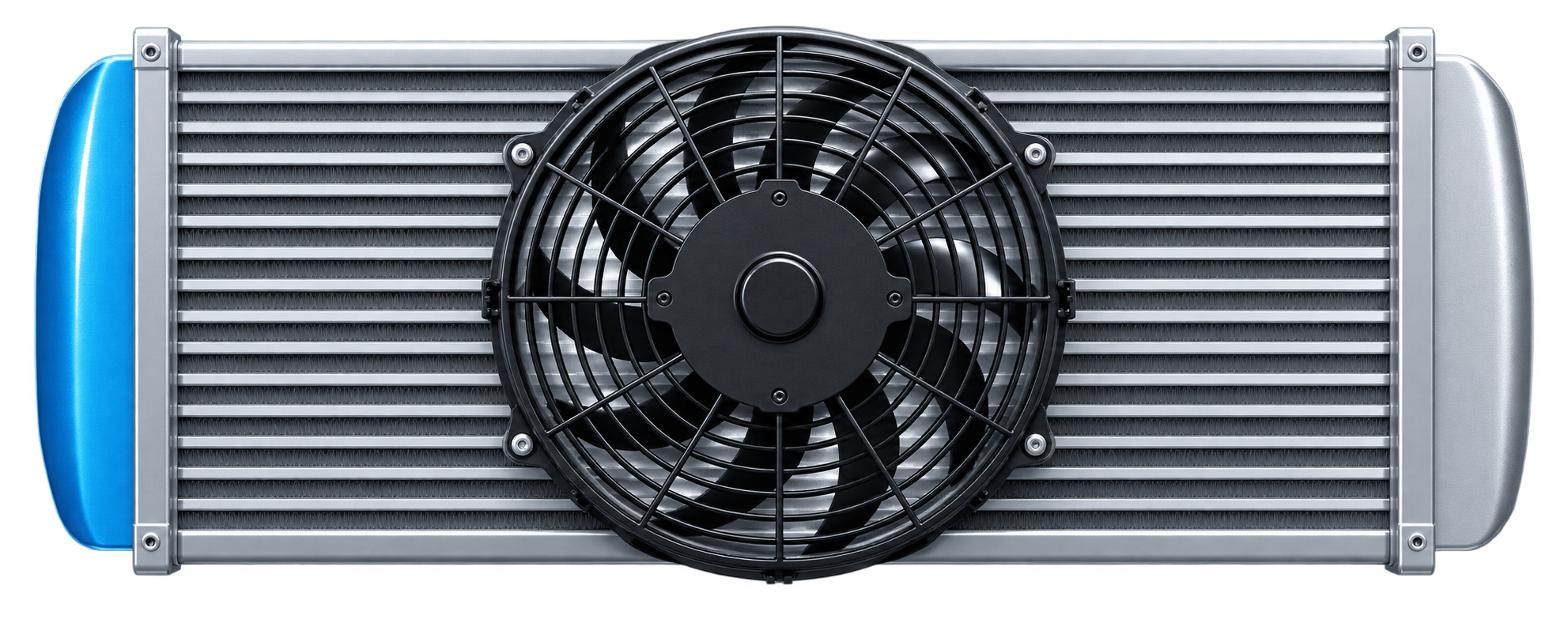
Prevent overheating and maintain proper BMW cooling-system performance.
VIEW SERVICEBMW cooling systems contain components that work and wear together. When a leak or failure develops, we inspect the complete system—not only the affected part—to identify related wear and repairs that may share labor.
We identify the source of the problem and determine what is required to restore the system properly.
We consider component age, known wear patterns, and overlapping labor—then explain what should be addressed now and what can reasonably wait.
 Every recommendation is vehicle-specific. We inspect first, explain what we find, and help you decide what your BMW needs now—and what can wait.
Multi Tech Auto sources BMW parts through FCP Euro and specialized European suppliers. We select OE, OEM, Genuine, or complete repair kits according to the vehicle, repair, and long-term reliability.
We compare OE, OEM, and Genuine options to select the right quality and fit for each repair.
When appropriate, complete kits provide the related components needed to perform the repair properly and efficiently.
Thoughtful parts sourcing helps balance repair quality, completeness, availability, and long-term value.
Helpful answers about BMW maintenance, diagnostics, and repair.
No. An independent repair facility can maintain and repair your BMW when it follows the correct service information and uses appropriate parts, fluids, equipment, and procedures. We document the work performed so you have a clear service record.
The correct interval depends on the BMW model, engine, oil specification, mileage, driving conditions, and service history. We review vehicle-specific information and may recommend a shorter interval for frequent short trips, extended idling, severe heat, or other demanding use.
Common leak areas can include the valve-cover gasket, oil-filter housing, oil-pan gasket, front or rear crankshaft seals, turbocharger oil lines, and vacuum-pump seals. The exact source must be cleaned and inspected because oil can travel and make a leak appear to come from another area.
BMW vehicles often use underbody panels and engine covers that can conceal developing leaks. During applicable maintenance, removing these covers allows us to inspect hidden areas, document findings, and potentially identify a leak before it causes secondary damage.
Yes. Leaking oil can damage belts, hoses, rubber mounts, electrical components, or the cooling system, and a low oil level can place the engine at risk. We identify the source and inspect nearby components before recommending the repair.
It means evaluating the complete related system—not only the failed part. We consider connected components, known wear patterns, age, condition, and overlapping labor, then explain what is required now and what can reasonably be monitored or planned.
Oil degrades through heat, contamination, fuel dilution, moisture, and repeated short trips. Extending service too far can contribute to deposits, restricted oil passages, timing-system wear, turbocharger damage, and increased oil consumption. The best interval is based on the vehicle and how it is used.
Possible signs include rough idle, misfires, difficult starting, reduced power, fuel odor, poor fuel economy, smoke, or warning lights. Because ignition, air, compression, and fuel-pressure faults can create similar symptoms, testing is required before replacing an injector.
Possible signs include reduced power, slow boost response, unusual whistling or grinding noises, smoke, increased oil consumption, or boost-related warning messages. We inspect the turbocharger and its oil, intake, exhaust, vacuum, and electronic control systems to confirm the cause.
Yes. We service applicable BMW ZF transmissions and xDrive components. We first identify the transmission and drivetrain configuration, confirm the fault, and then explain whether maintenance, repair, rebuilding, or another corrective step is appropriate.
Yes. A pre-purchase inspection can document visible condition, scan relevant vehicle systems, identify maintenance needs, and highlight concerns that deserve further evaluation. It reduces uncertainty but cannot guarantee that a future failure will not occur.
Yes. Bring the vehicle and any existing estimate, diagnostic report, photos, or fault information. We perform our own evaluation as needed, compare the evidence, and explain whether the recommended repair matches the vehicle’s current condition.
Our team is here to keep your BMW performing at its best.
Vehicle-specific service backed by careful diagnostics, experienced technicians, and straightforward communication.
2035 N Texas St
Fairfield, CA 94533
Mon–Sat: 8:00 AM–5:00 PM
Sunday: Closed
Key Drop Available