
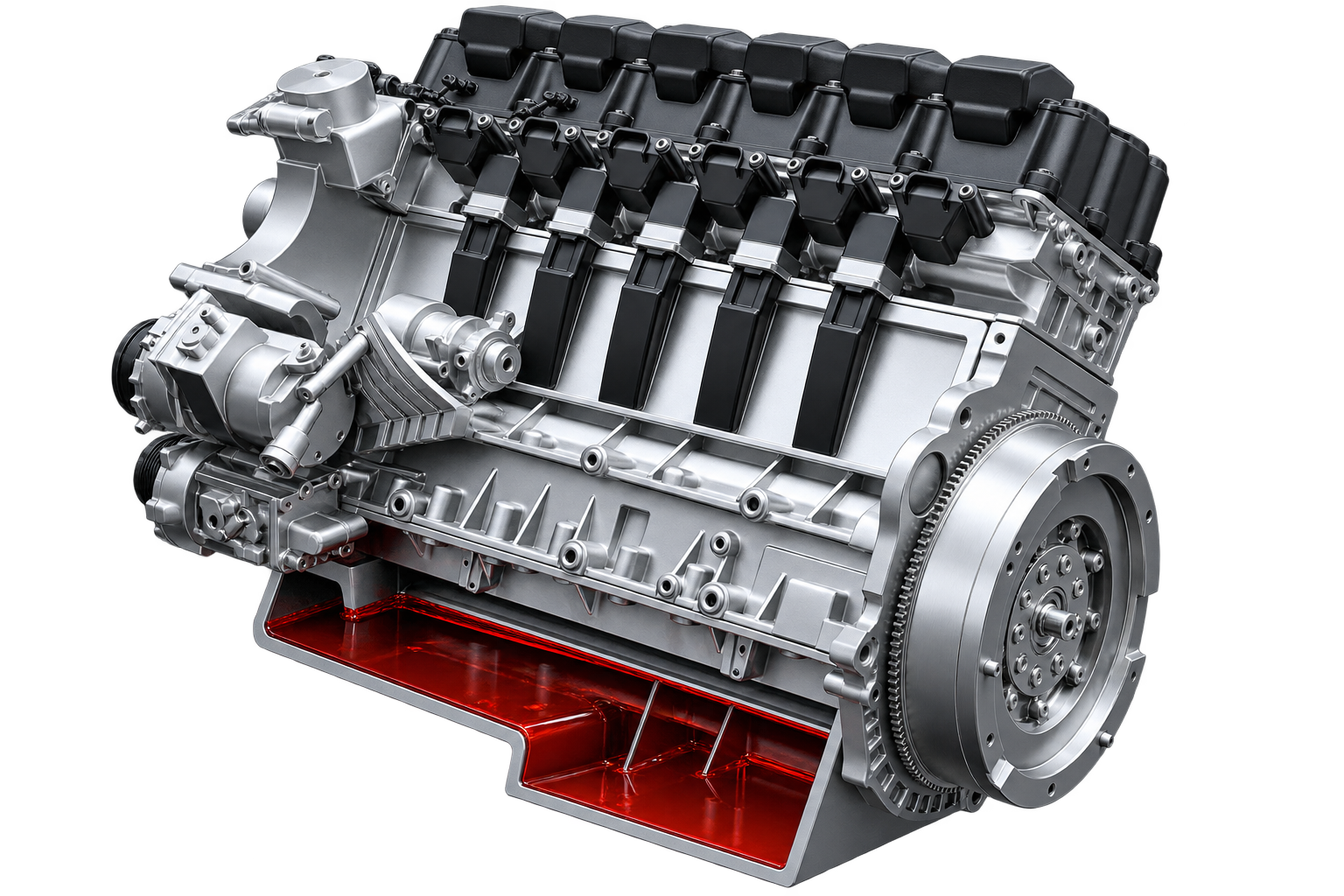
Engine Service
Complete engine diagnostics and repair to restore power, efficiency, and long-term reliability.
From routine maintenance to complex repairs, we accurately diagnose engine and transmission problems and identify the cause before recommending major repairs.
SCHEDULE ENGINE & TRANSMISSION SERVICE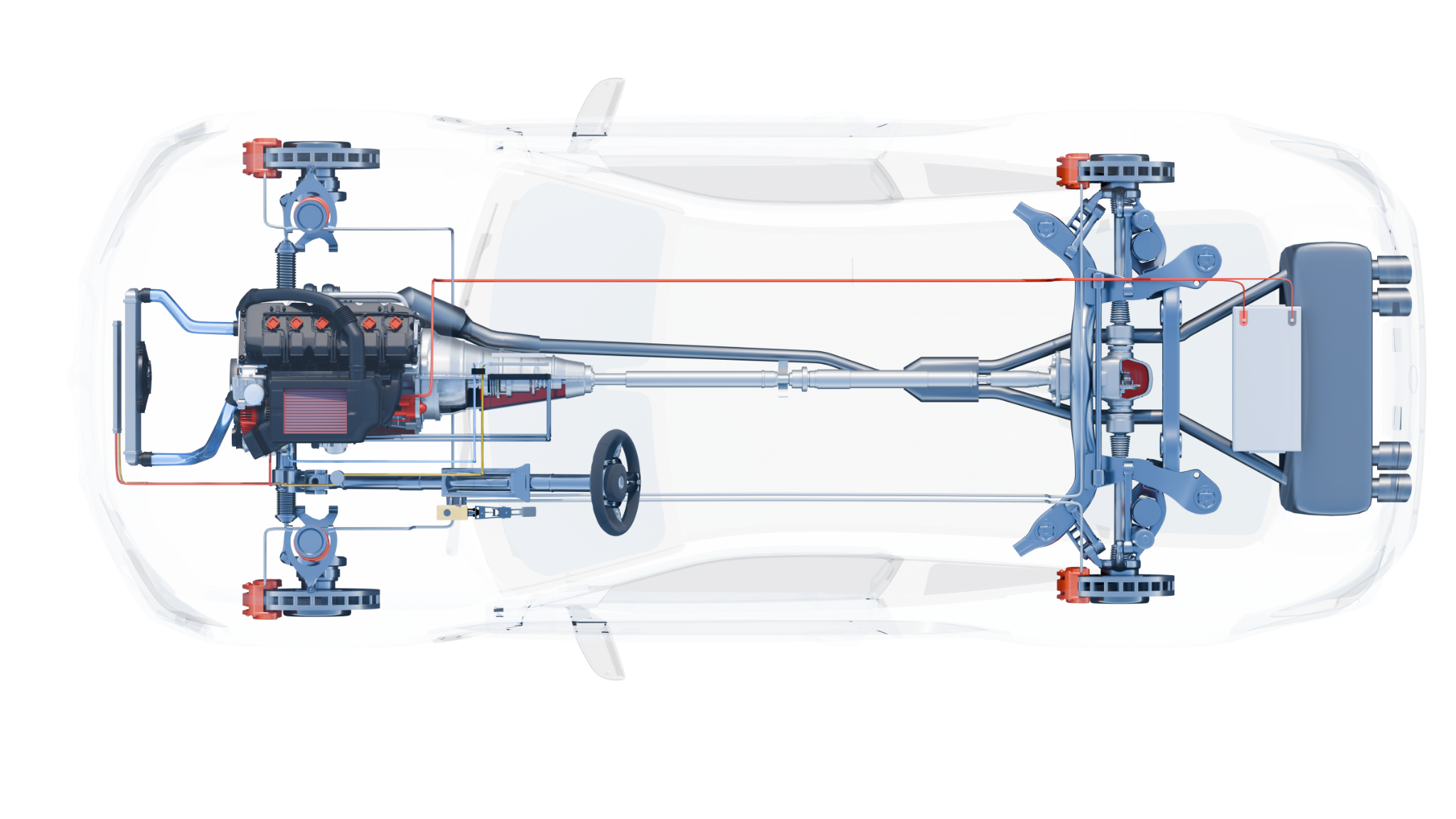
Complete engine diagnostics and repair to restore power, efficiency, and long-term reliability.
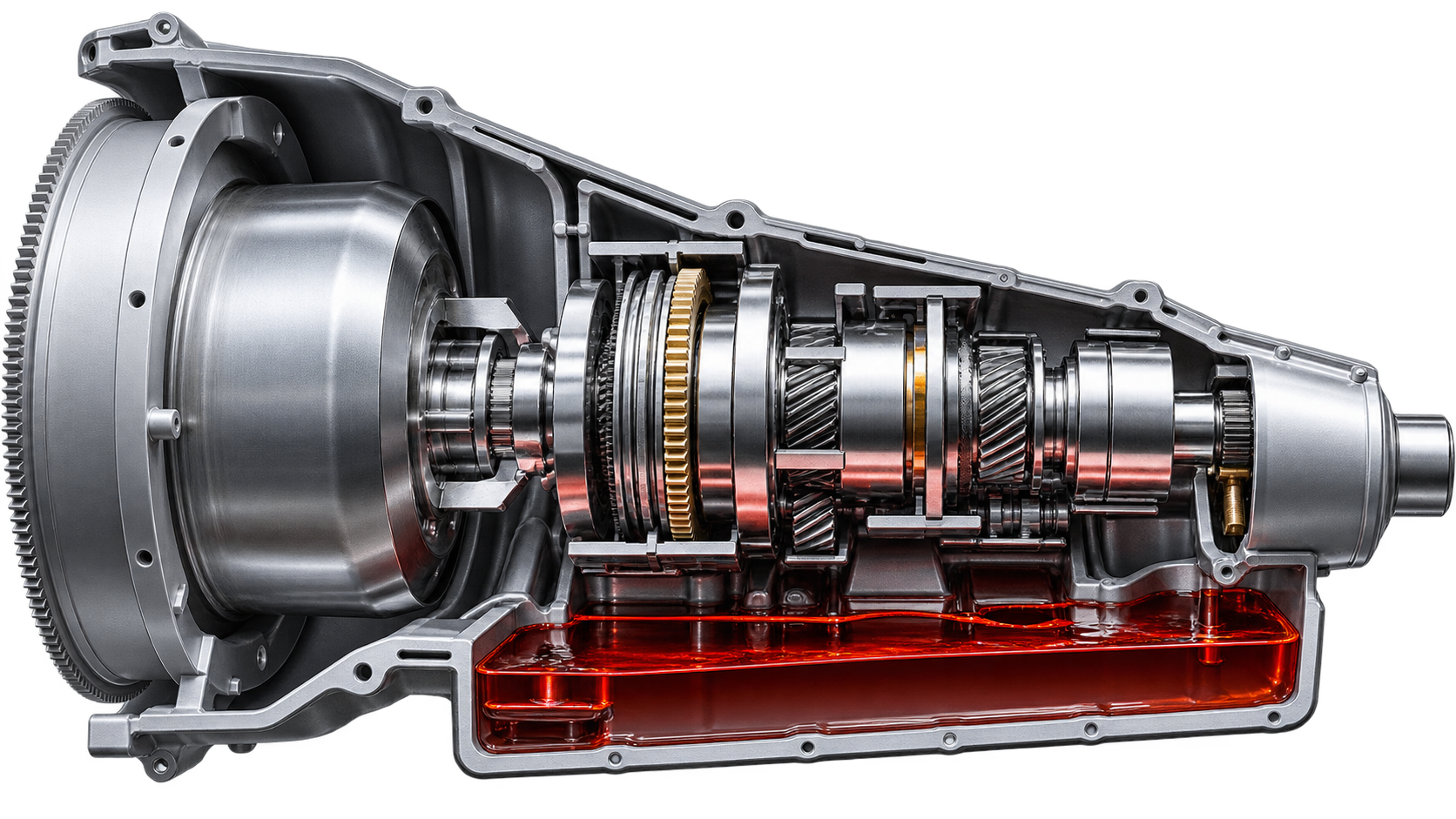
Fluid service, diagnostics, repairs, and rebuilds for smooth shifting and dependable performance.
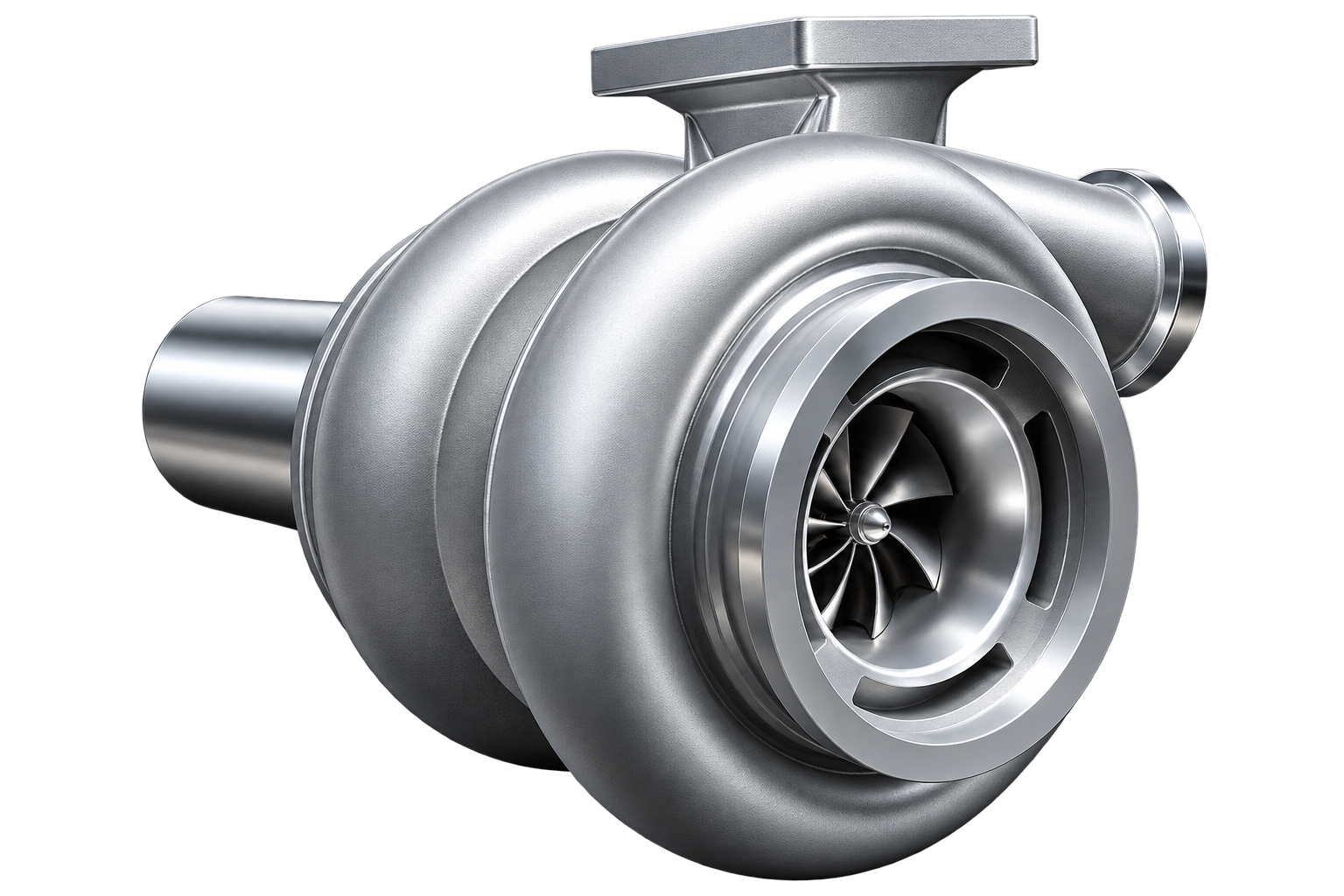
Diagnose and repair boost leaks, unusual noise, and performance loss to restore power and efficiency.
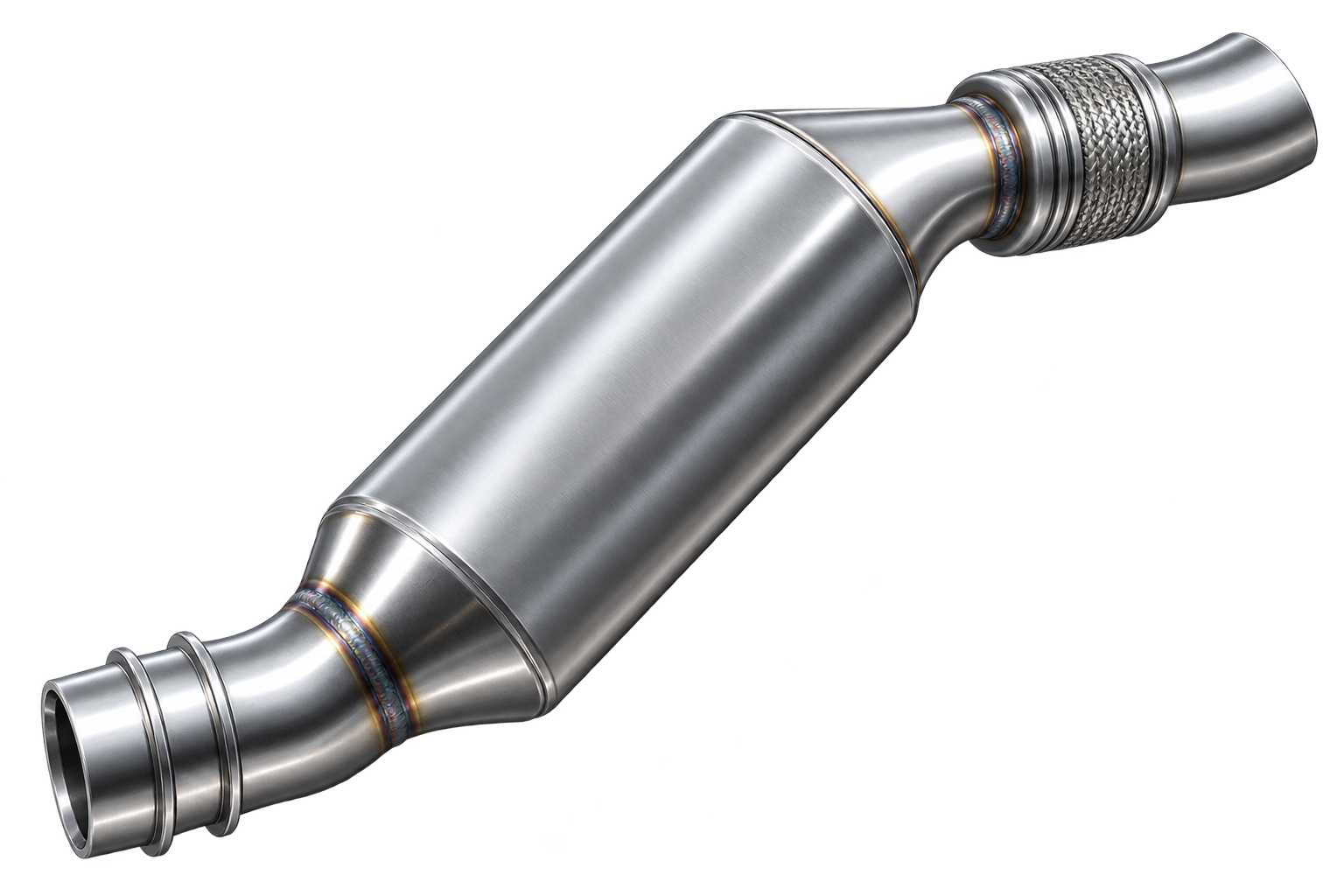
Diagnose restricted or failing catalytic converters and restore proper emissions-system performance.
Engine and transmission problems can affect performance, fuel efficiency, and reliability. Accurate diagnosis and timely service help address the cause, prevent further damage, and reduce the risk of more expensive repairs.
Helps restore power, smooth shifting, and overall drivability.
Addressing problems early helps prevent major engine or transmission failures.
Factory-level service and quality parts help extend your vehicle’s life.
Confirm the cause before major repairs so recommendations address the actual problem—not just the symptom.
Common signs include warning lights, unusual noises, rough running, loss of power, excessive smoke, fluid leaks, overheating, or reduced fuel efficiency. Because several systems can create similar symptoms, we test the vehicle to identify the cause before recommending repairs.
Engine-service intervals depend on the vehicle, mileage, driving conditions, and maintenance history. Following the manufacturer’s schedule for oil, filters, spark plugs, fluids, and inspections helps us identify developing concerns before they lead to larger repairs.
The correct interval depends on the transmission design, manufacturer guidance, fluid condition, mileage, and how the vehicle is used. We review the vehicle-specific service information and inspect for leaks or operating concerns before recommending a fluid service.
Warning signs may include delayed engagement, slipping, harsh or irregular shifts, unusual noises, fluid leaks, a burning smell, or a transmission warning light. An accurate diagnosis is important because electrical, hydraulic, software, and mechanical faults can produce similar symptoms.
Diagnosis depends on the vehicle and symptoms. For automatic transmissions, testing may include fault codes and scan data, fluid condition, leaks, road-test behavior, electronic controls, hydraulic operation, and internal mechanical condition. For manual transmissions, we diagnose shifting and clutch concerns and replace clutches when required. We confirm the findings before recommending service, repair, or rebuilding.
A properly diagnosed rebuild allows worn or damaged internal components to be addressed and the unit to be restored using the correct procedures and replacement parts. A used transmission may have an unknown history, mileage, maintenance record, or existing wear.
Yes. We service and rebuild applicable ZF transmissions used in many European vehicles. We first confirm the transmission model and failure, then explain whether service, repair, or rebuilding is the appropriate next step for that vehicle.
Possible signs include reduced power, slow acceleration, unusual whistling or grinding noises, excessive exhaust smoke, increased oil consumption, warning lights, or boost-related fault codes. Testing helps determine whether the turbocharger or a related air, oil, or control system is responsible.
Turbocharger problems may result from restricted or contaminated oil supply, oil leaks, foreign-object damage, excessive heat, boost-control faults, intake or exhaust restrictions, or normal wear. We inspect the supporting systems so the cause is addressed along with the failed component.
A restricted catalytic converter may cause poor acceleration, reduced power, excessive heat, warning lights, poor fuel economy, or difficulty starting. Similar symptoms can come from engine or fuel-control problems, so testing is required before replacement is recommended.
Yes. A restricted converter can limit exhaust flow and reduce engine power. A damaged converter can also trigger warning lights and emissions faults. We also check for underlying engine conditions—such as misfires or incorrect fuel mixture—that may have contributed to the failure.
Some inspections and routine services may be completed the same day, but major diagnosis, parts availability, repairs, and transmission rebuilds can require additional time. After evaluating the vehicle, we provide a clearer scope and expected timeline before proceeding.
Our team is here to help keep you on the road with confidence.
Vehicle-specific service backed by careful diagnostics, experienced technicians, and straightforward communication.
2035 N Texas St
Fairfield, CA 94533
Mon–Sat: 8:00 AM–5:00 PM
Sunday: Closed
Key Drop Available