
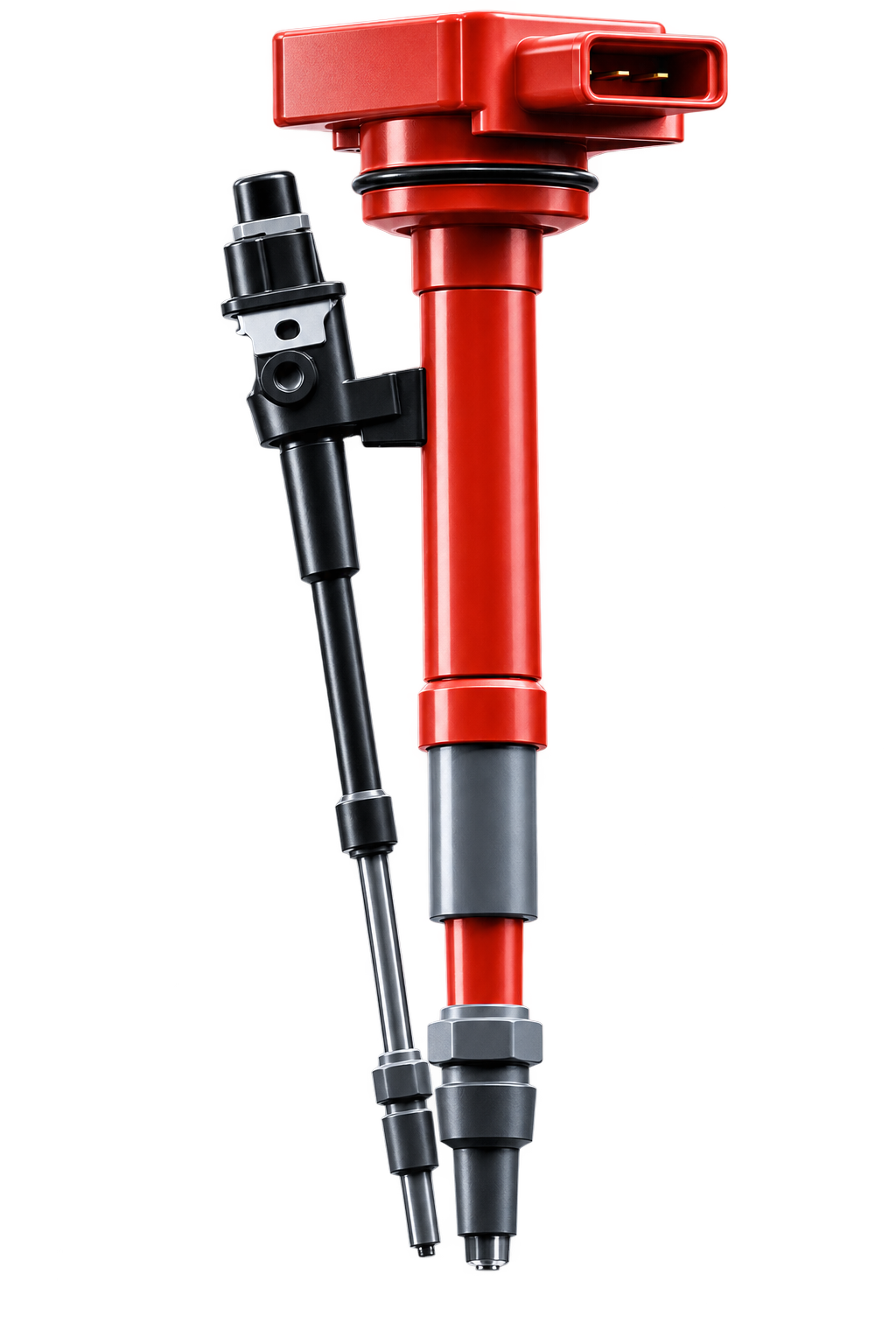
Ignition & Fuel
Restore efficient combustion and smooth operation.
We review your vehicle’s mileage, condition, and service history to recommend the maintenance it needs now and help you plan what comes next.
SCHEDULE PREVENTIVE MAINTENANCE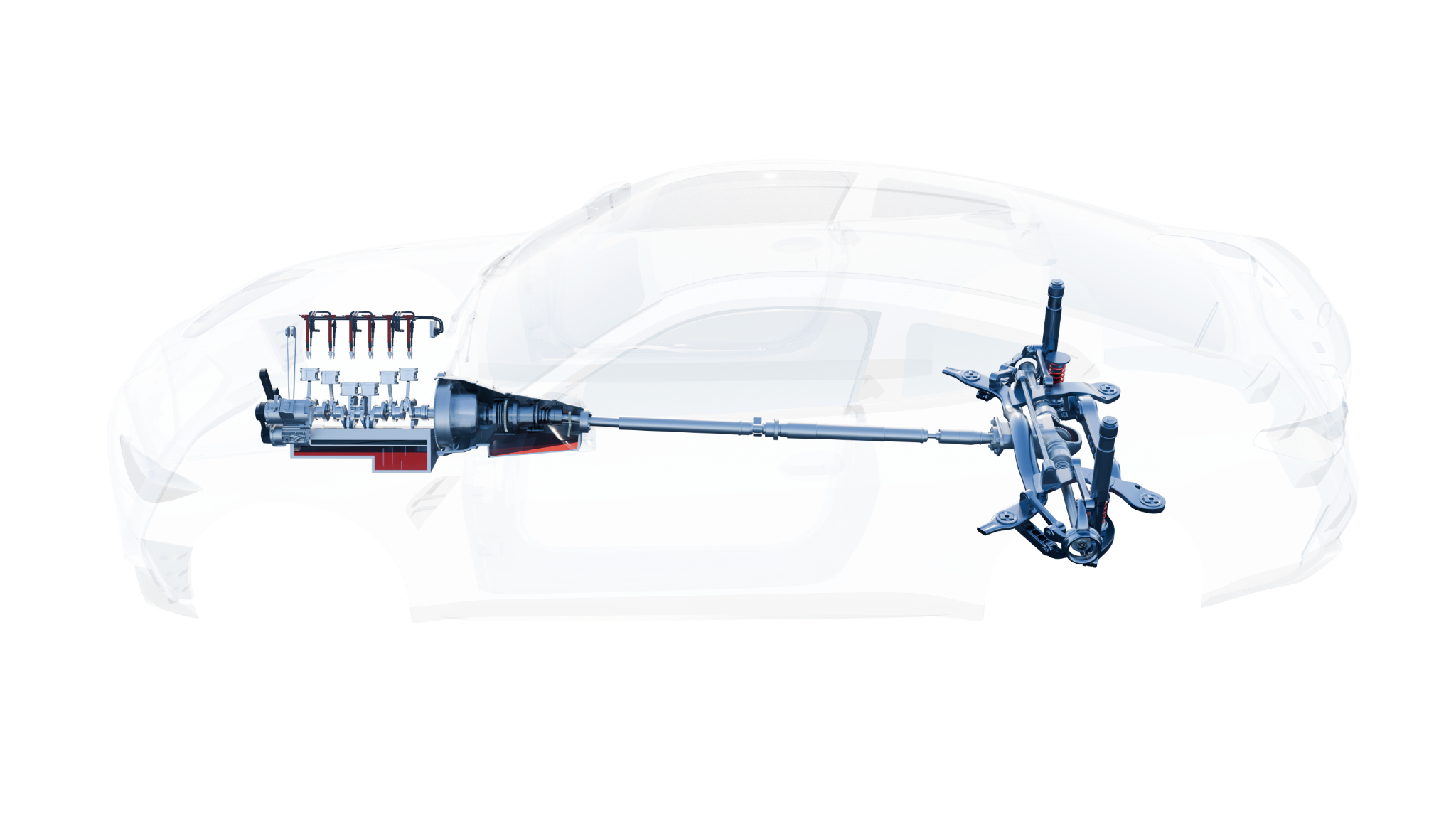
Restore efficient combustion and smooth operation.
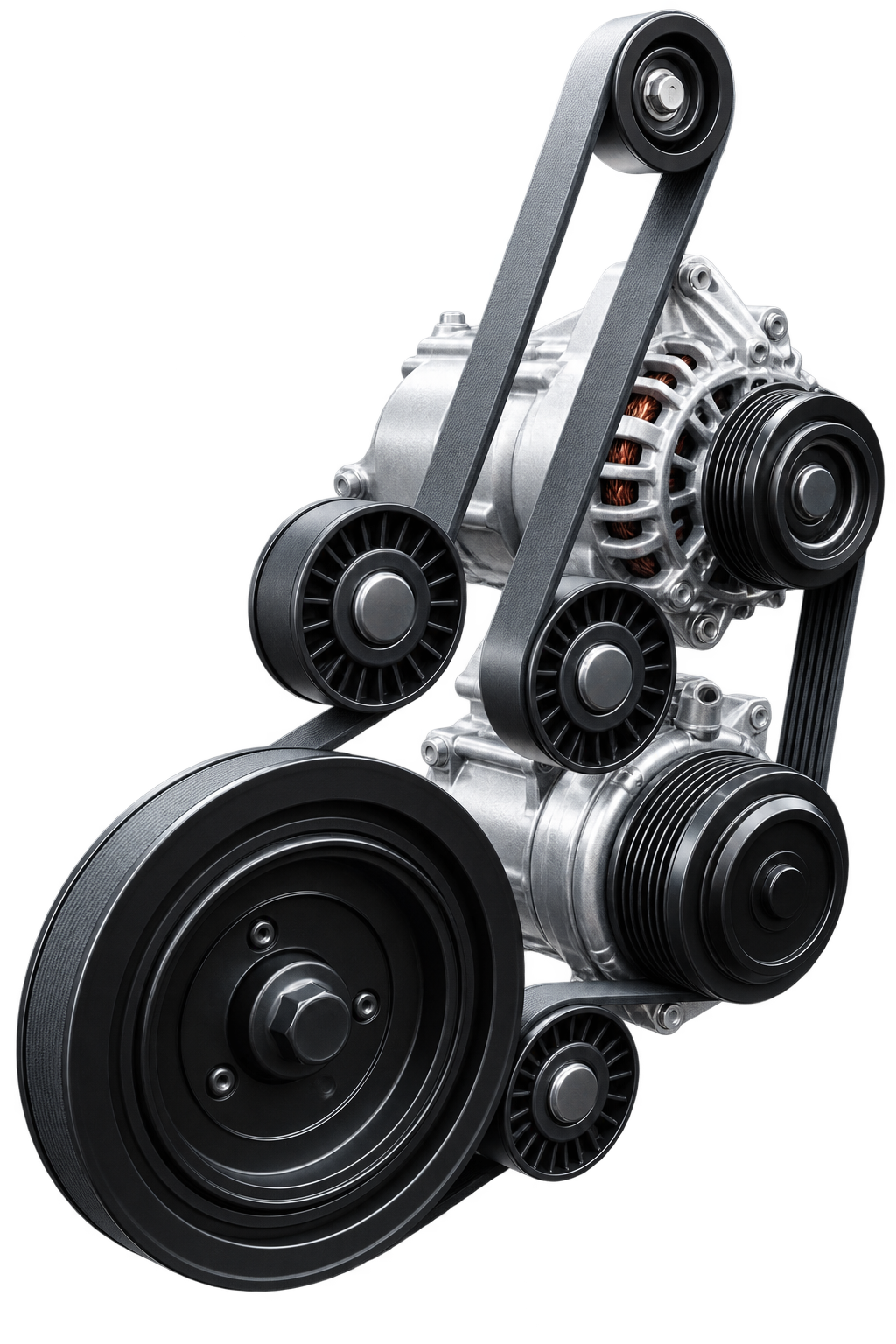
Inspect and replace worn drive components.
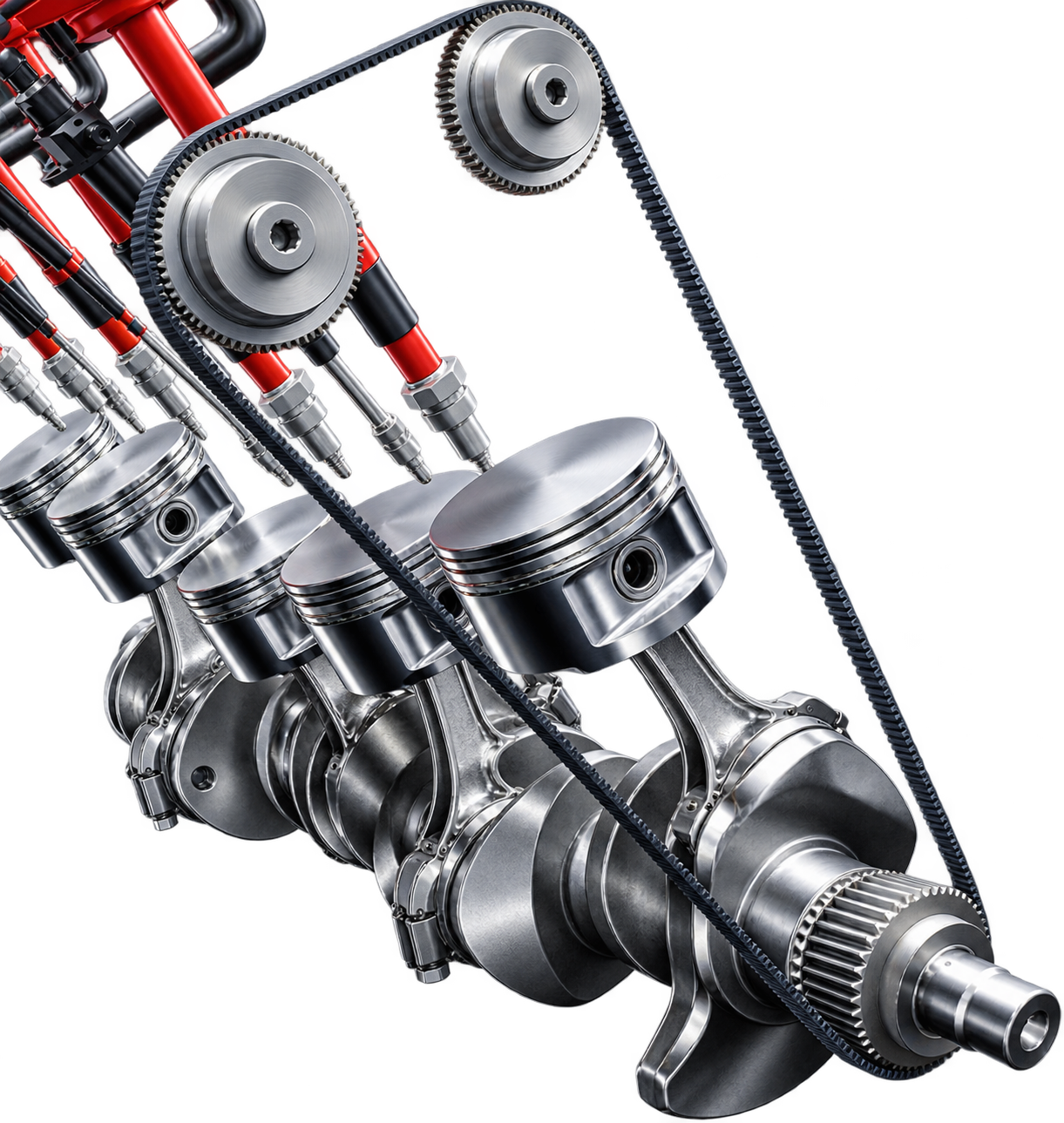
Diagnose timing-related noise and performance concerns.
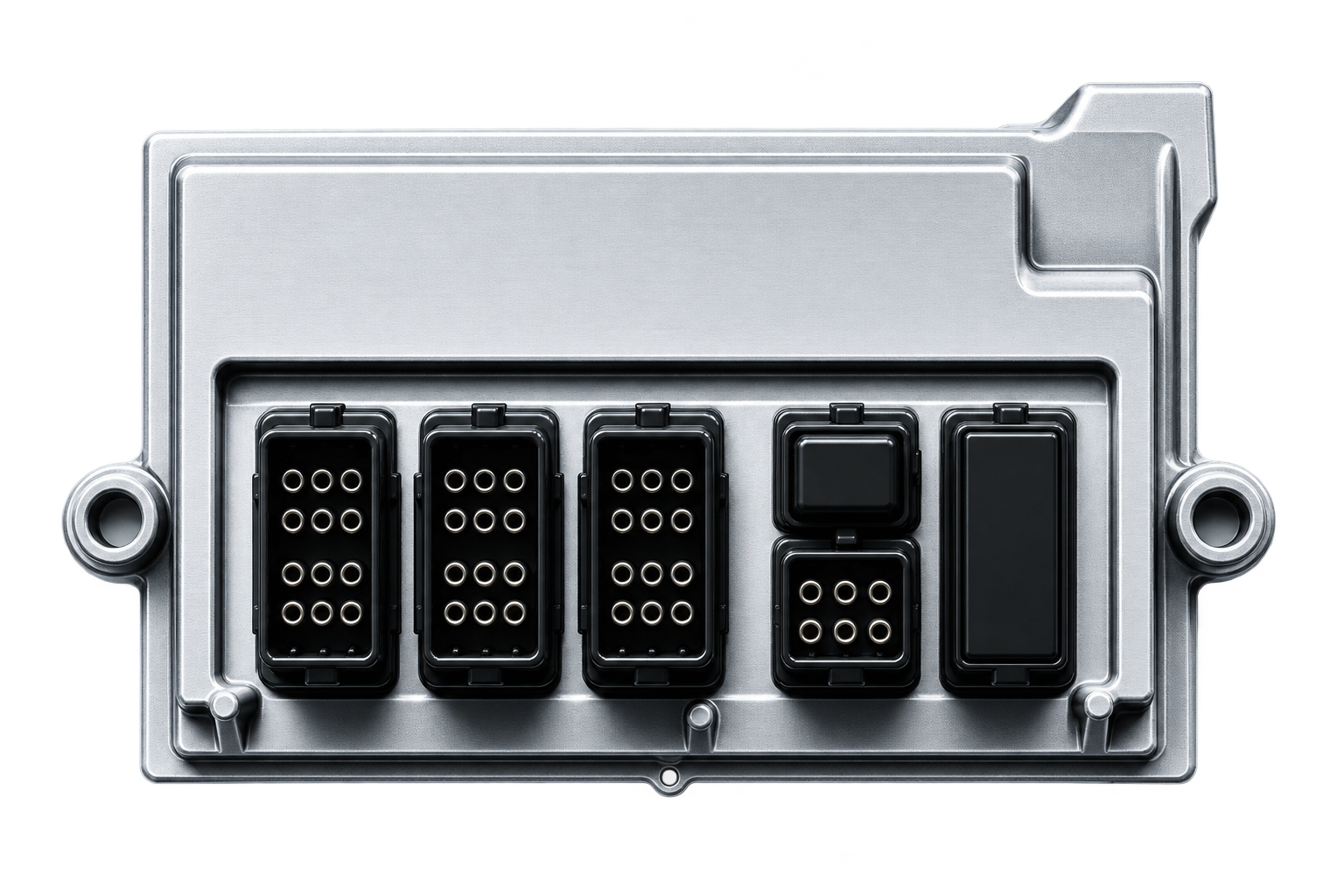
Identify the cause behind warning indicators.
Following the correct maintenance schedule helps protect performance, reliability, safety, and long-term value.
Correct maintenance helps the engine and related systems operate consistently.
Routine inspections can reveal wear or overdue service before it interrupts your plans.
A documented, vehicle-specific maintenance history supports long-term reliability and value.
Every recommendation is based on vehicle-specific information, actual condition, mileage, and service history.
Preventive maintenance may include vehicle-specific fluid and filter services, ignition components, belts, inspections, and other items listed in the manufacturer’s schedule. We review mileage, condition, and service history before recommending work.
The correct schedule depends on the year, make, model, engine, mileage, driving conditions, and prior service. We use vehicle-specific information and your service history to identify the appropriate next interval.
A modern tune-up is not one universal package. Depending on the vehicle, it may involve spark plugs, ignition or fuel-system evaluation, filters, fluids, software-related checks, and inspection of related components.
Possible signs include rough running, misfires, hesitation, hard starting, reduced fuel efficiency, loss of power, or a check-engine light. Testing helps identify whether the cause is ignition-related or elsewhere.
Belts and pulleys should be inspected during routine maintenance and whenever there is noise, visible cracking, glazing, looseness, or accessory-drive concerns. Replacement intervals vary by vehicle and component.
Possible signs include rattling during startup, unusual engine noise, warning lights, rough running, loss of power, or timing-related fault codes. Accurate diagnosis is essential because other faults can create similar symptoms.
No. A warning light can be triggered by many electrical, emissions, fuel, ignition, or mechanical concerns. We test the system and confirm the cause before recommending repairs.
Following the correct maintenance schedule can reduce avoidable wear, support consistent performance, and create opportunities to identify developing concerns before they become larger problems.
Yes. Frequent short trips, heavy traffic, extreme temperatures, dusty environments, towing, and other demanding conditions may require different service intervals. Recommendations should reflect how the vehicle is actually used.
Yes. Available records help us avoid unnecessary repetition, identify overdue items, and build a practical maintenance plan based on the vehicle’s mileage and condition.
Qualifying repairs and applicable parts are covered by our limited 24-month or 24,000-mile warranty, whichever comes first. Coverage depends on the service and the warranty terms shown on the final invoice.
We can review the manufacturer’s schedule, current mileage, inspection findings, and service history, then explain what is due now, what is approaching, and what can continue to be monitored.
Understand what is due now and prepare for what comes next.

Vehicle-specific service backed by careful diagnostics, experienced technicians, and straightforward communication.
2035 N Texas St
Fairfield, CA 94533
Mon–Sat: 8:00 AM–5:00 PM
Sunday: Closed
Key Drop Available