
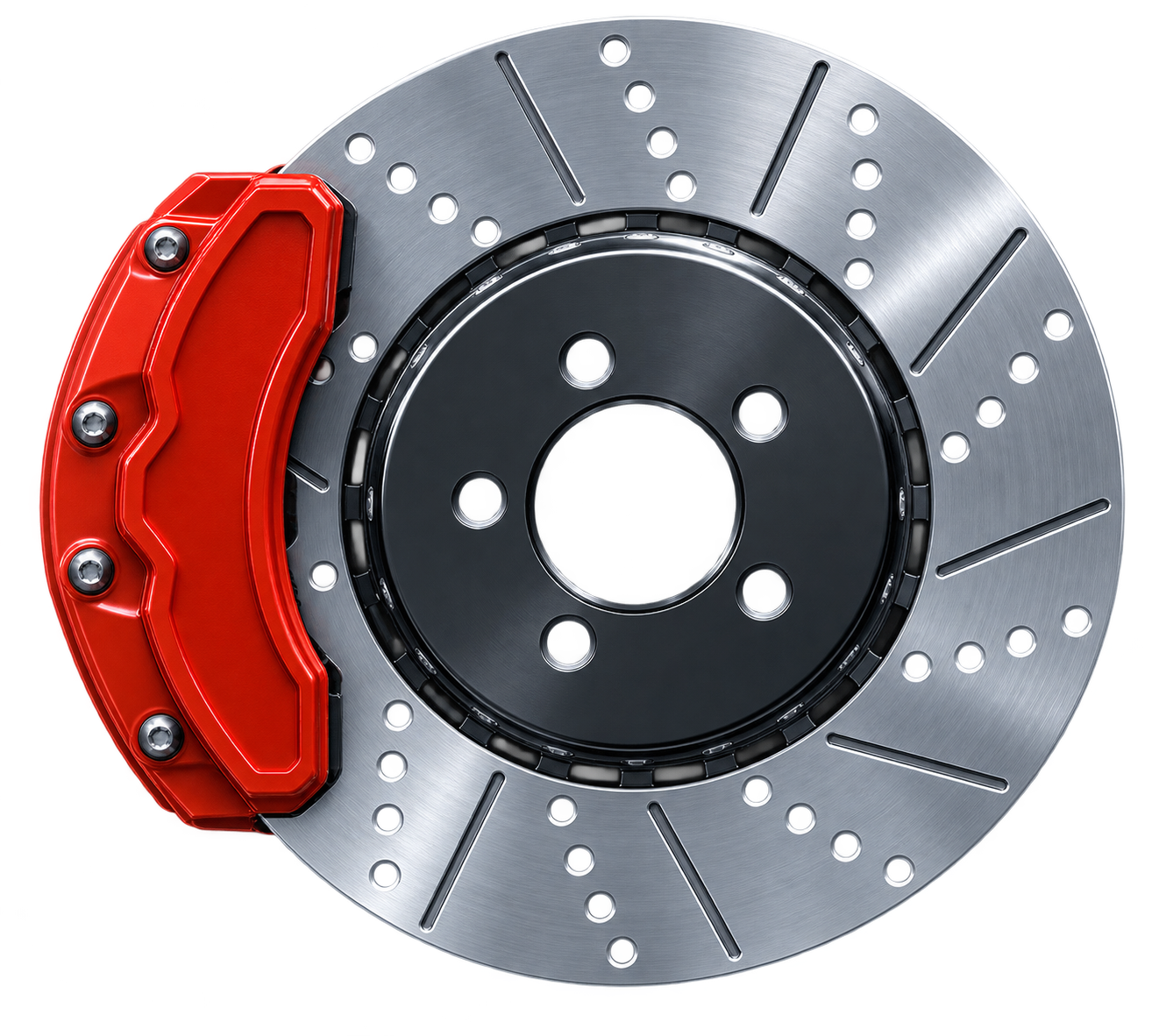
Brake Repair
Inspection and repair for dependable stopping performance.
We inspect and repair brake, steering, and suspension concerns to help restore dependable stopping performance, stability, and ride control.
SCHEDULE BRAKE & SUSPENSION SERVICE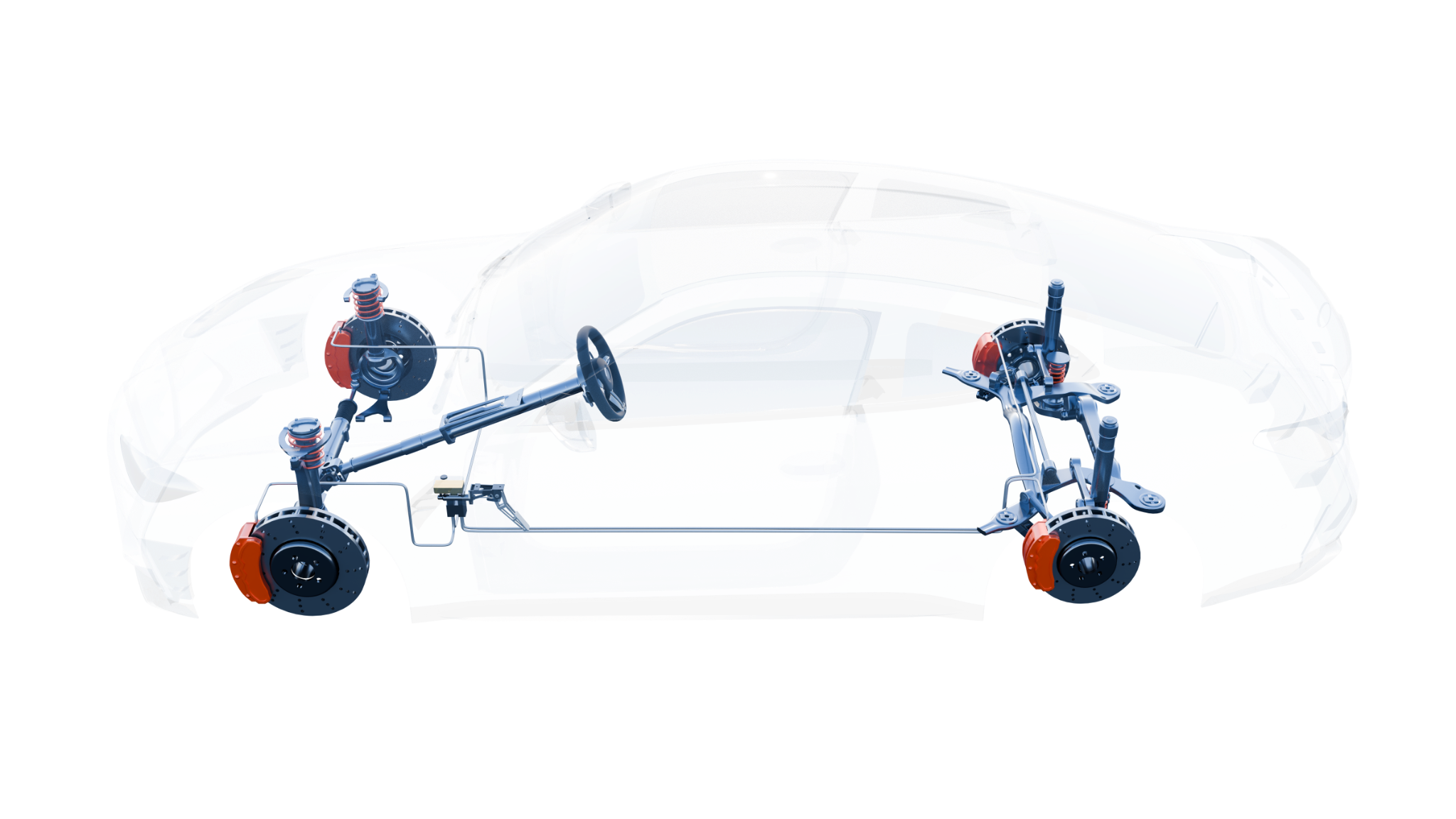
Inspection and repair for dependable stopping performance.
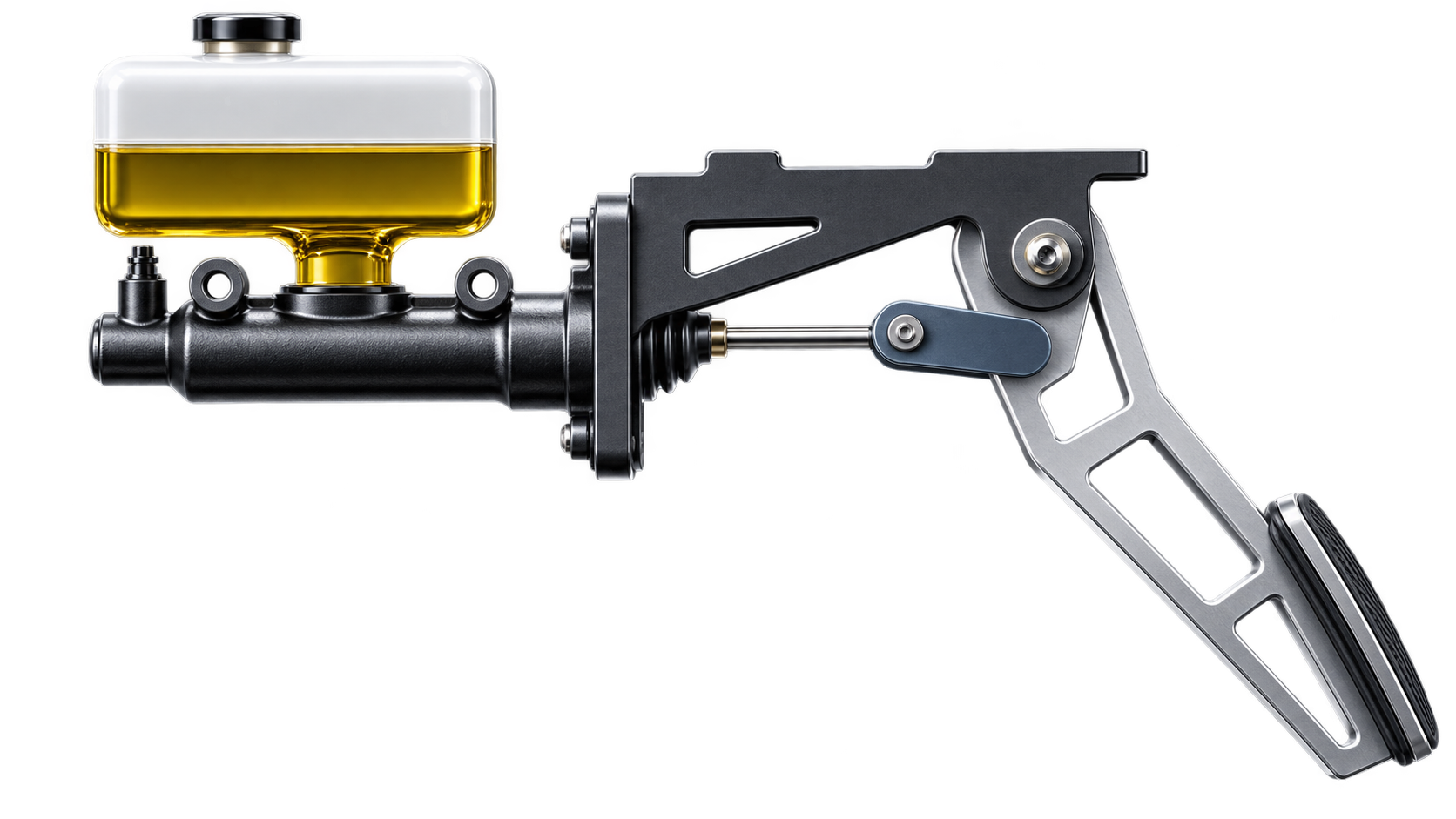
Fresh brake fluid supports consistent hydraulic performance.
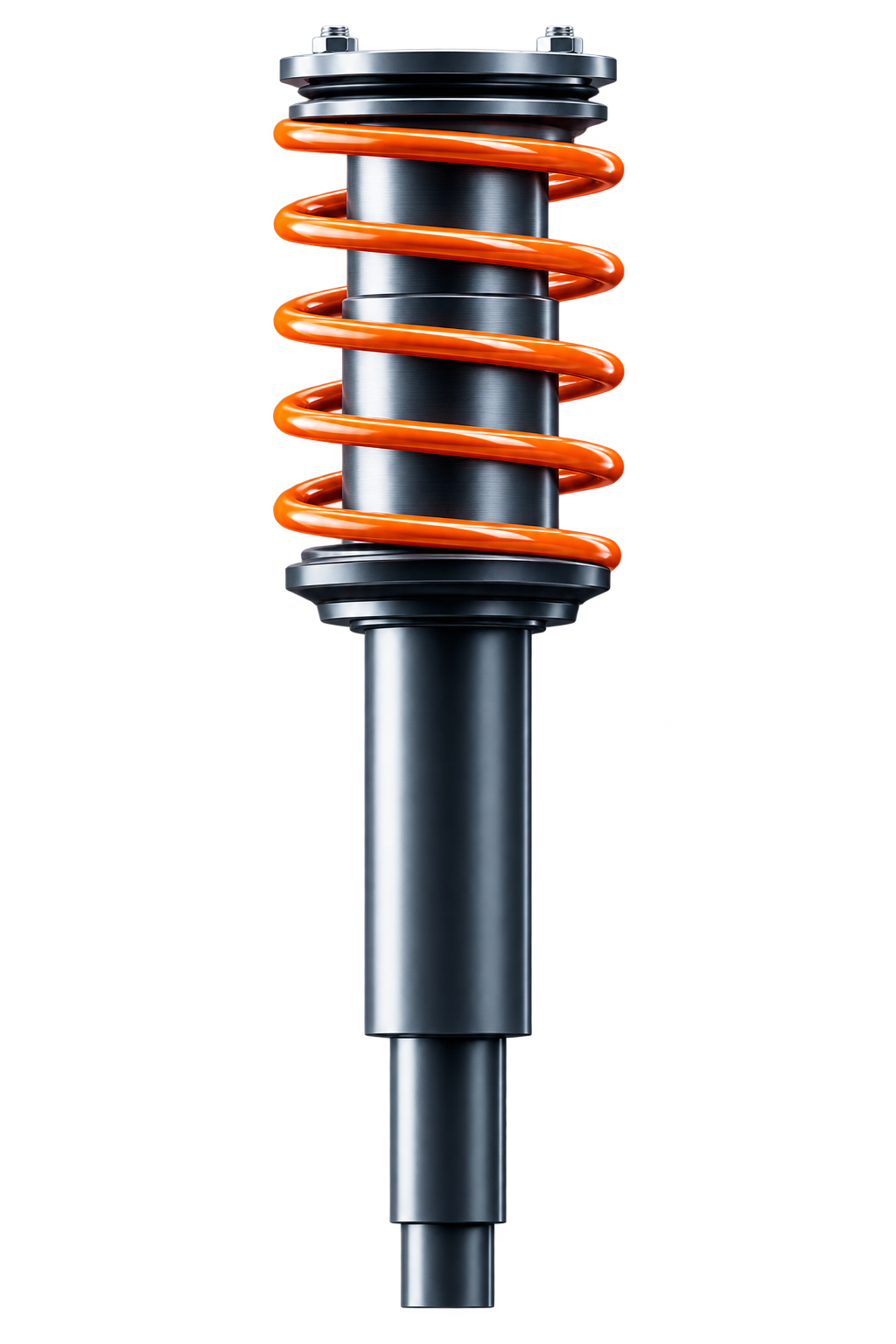
Restore ride control, stability, and comfort.
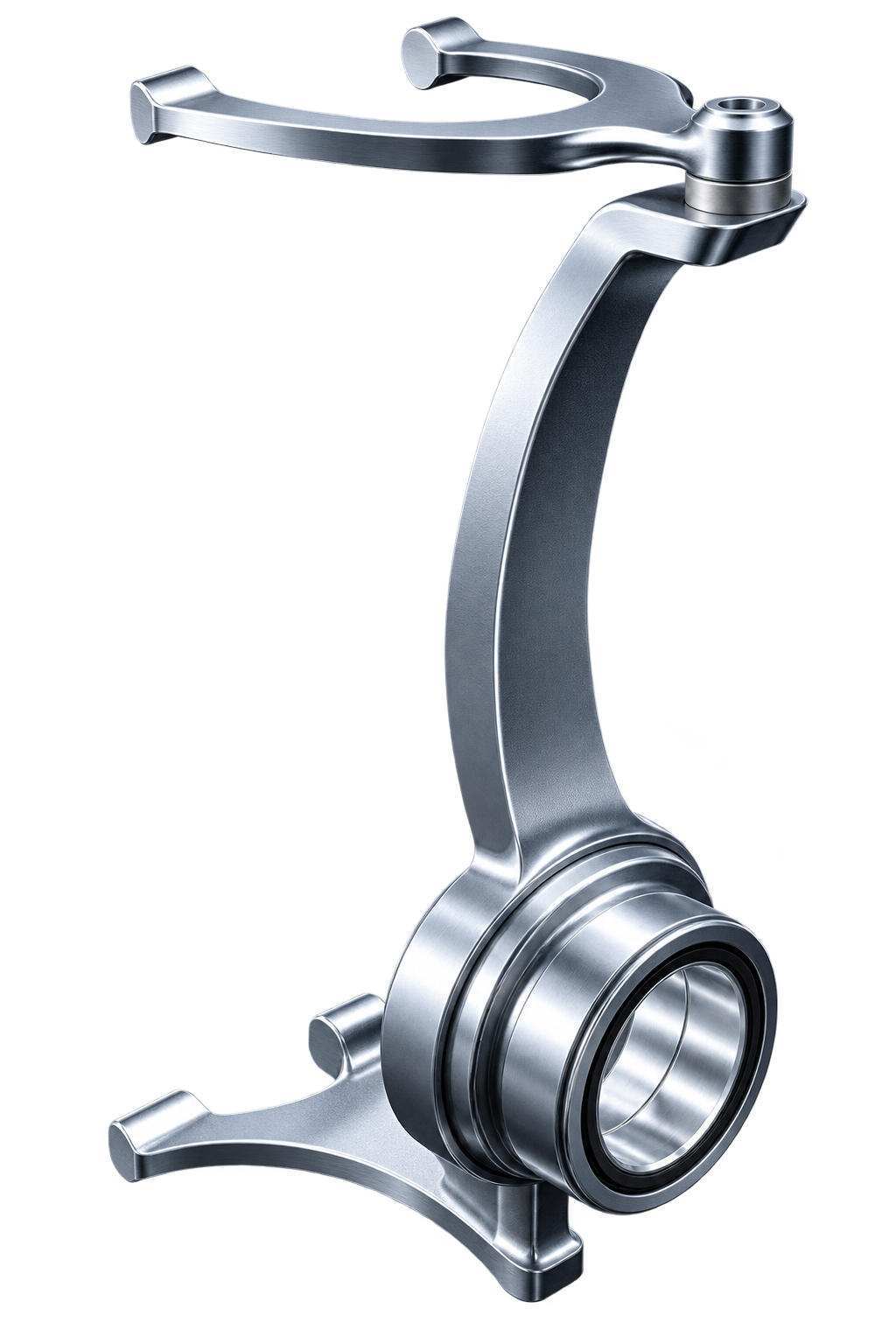
Address worn bushings and related handling concerns.
Brake and suspension systems work together to help your vehicle stop, steer, remain stable, and maintain consistent contact with the road.
Proper brake and suspension operation supports predictable stopping, steering, and handling.
Correcting worn components can help reduce uneven tire wear and preserve alignment.
A stable ride and responsive braking help you drive with greater confidence.
We evaluate related brake, steering, suspension, wheel, and tire conditions before recommending repairs.
Common signs include squealing or grinding, vibration, a soft or low pedal, pulling while braking, longer stopping distances, warning lights, or visible fluid leaks. We inspect the system to identify the cause before recommending repairs.
Brake inspection intervals depend on the vehicle, mileage, driving conditions, and service history. Regular inspections help document wear and identify developing concerns before braking performance is affected.
We evaluate applicable pads, rotors, calipers, hoses, hardware, brake-fluid condition, and visible hydraulic components. Findings are explained so you understand what requires attention and what can continue to be monitored.
Brake vibration can be related to rotor condition, uneven wear, wheel or tire concerns, or looseness in steering and suspension components. Testing and inspection help separate the source before parts are replaced.
Brake fluid absorbs moisture over time, which can reduce corrosion protection and affect hydraulic performance. We follow vehicle-specific guidance and evaluate fluid condition before recommending service.
Possible signs include excessive bouncing, nose-diving while braking, uneven tire wear, fluid leakage, noise over bumps, reduced stability, or a harsh or unsettled ride.
Yes. Worn control arms, bushings, ball joints, shocks, struts, or related components can affect alignment, tire contact, handling, and wear patterns. We inspect related parts before recommending corrective work.
Pulling or instability may involve tires, alignment, brakes, steering, suspension, or road conditions. We evaluate the symptoms and inspect the related systems to identify the most likely cause.
Some suspension repairs can change wheel alignment. When applicable, we explain that an alignment or alignment check should be completed afterward to protect handling, steering response, and tire life.
Depending on the concern, we inspect applicable shocks, struts, control arms, bushings, ball joints, steering connections, mounting hardware, and related components. We explain the findings before recommending repairs.
Qualifying repairs and applicable parts are covered by our limited 24-month or 24,000-mile warranty, whichever comes first. Coverage depends on the repair and the warranty terms shown on the final invoice.
Timing depends on the inspection findings, repair scope, parts availability, and any related work identified during evaluation. We provide a clearer estimate after inspecting the vehicle.
Careful inspection and vehicle-specific repairs help restore confidence on the road.

Vehicle-specific service backed by careful diagnostics, experienced technicians, and straightforward communication.
2035 N Texas St
Fairfield, CA 94533
Mon–Sat: 8:00 AM–5:00 PM
Sunday: Closed
Key Drop Available