
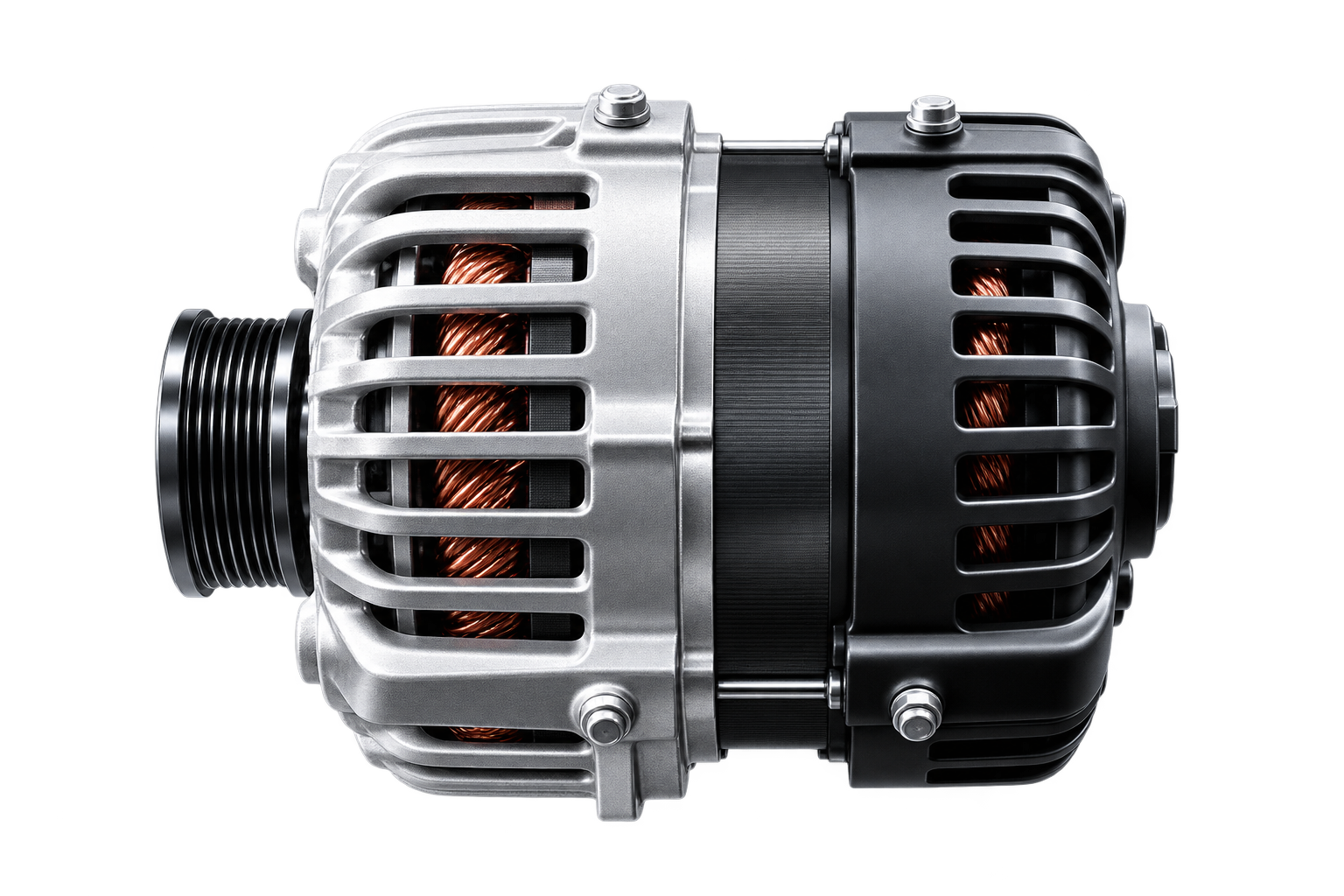
Alternator
Test charging performance and restore electrical output.
We test air-conditioning, battery, starting, charging, and related electrical circuit concerns to identify the cause before recommending repairs or replacing components.
SCHEDULE A/C & CHARGING SYSTEM SERVICE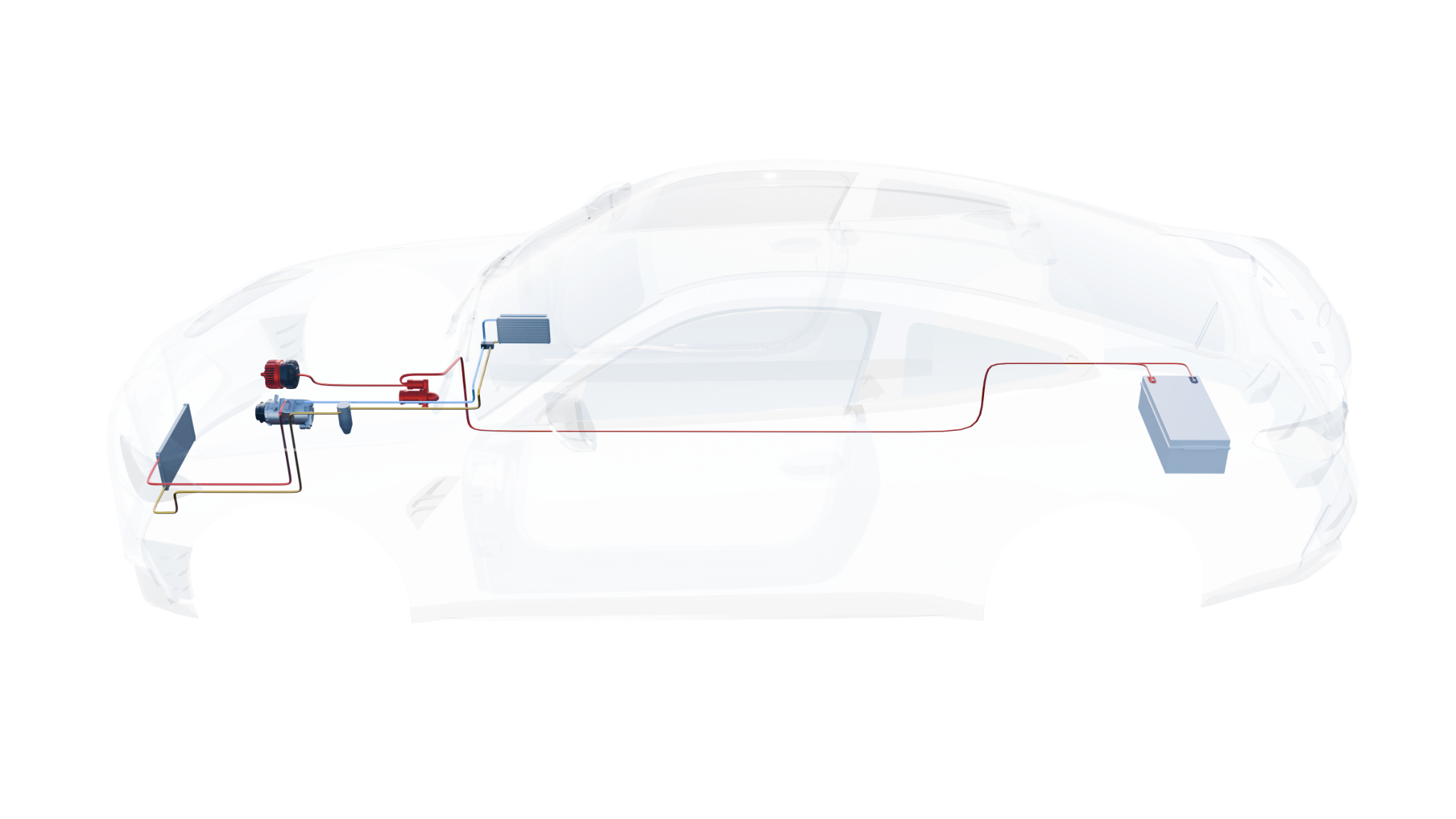
Test charging performance and restore electrical output.
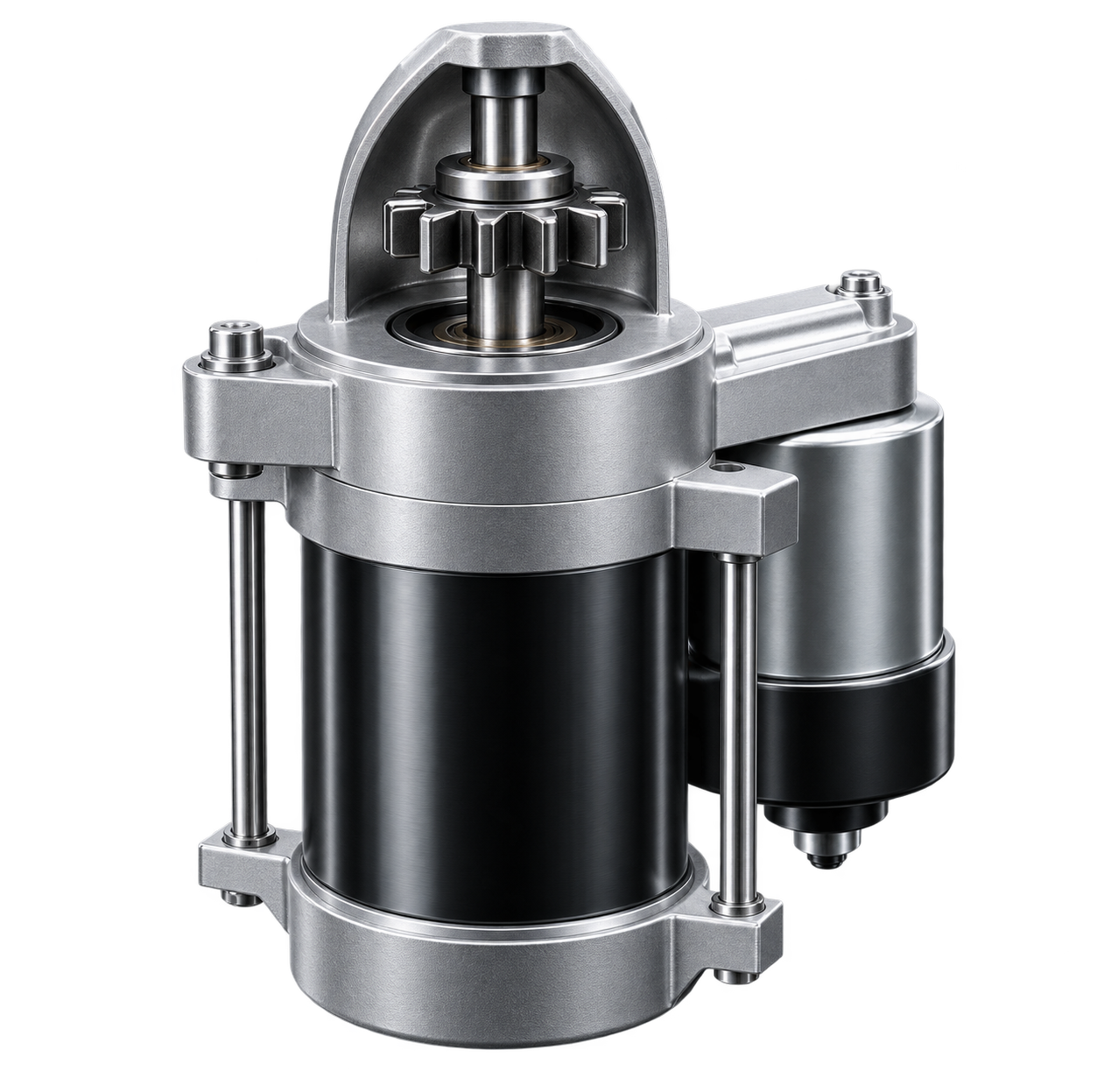
Diagnose slow cranking and starting concerns.
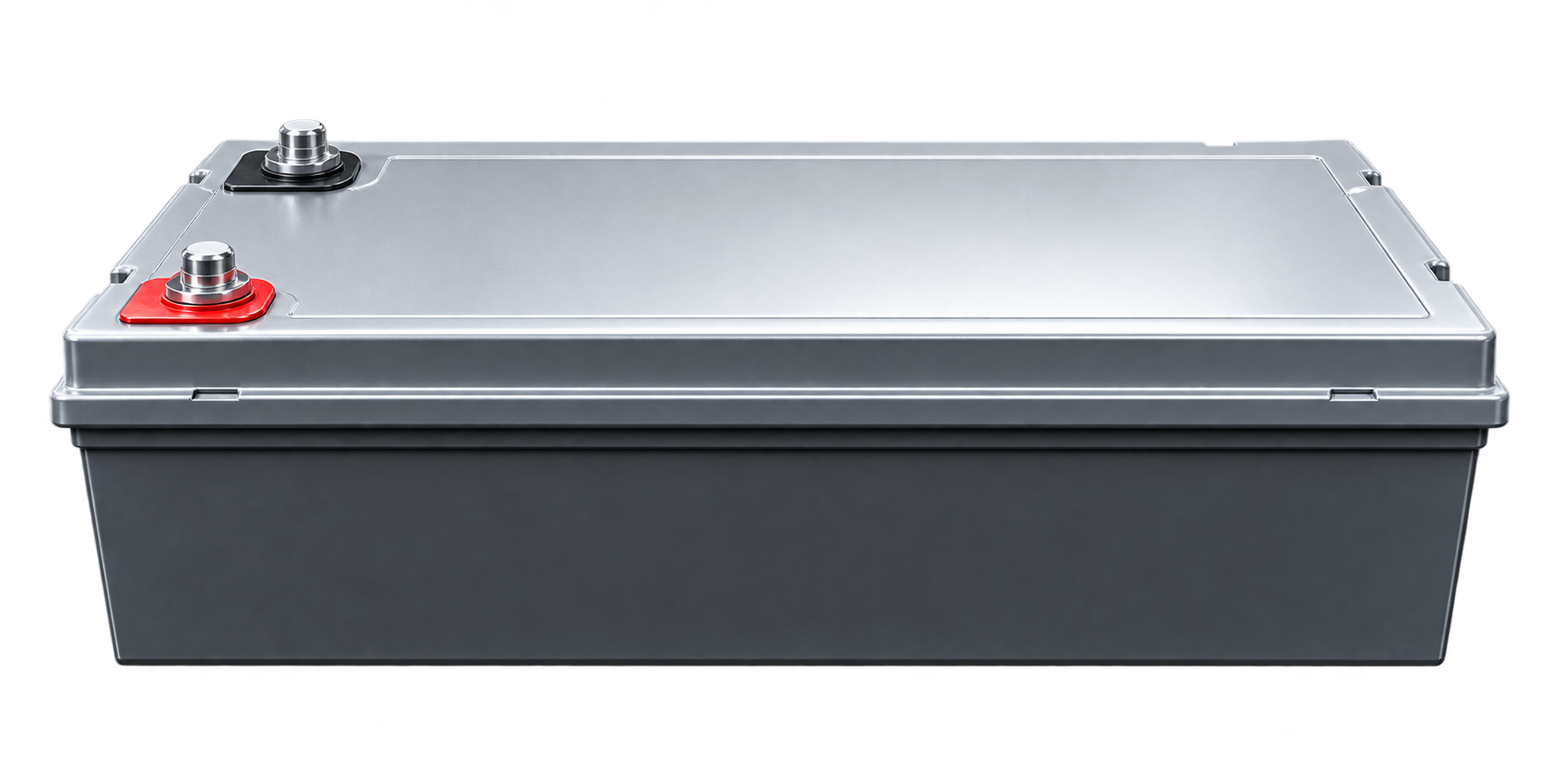
Evaluate battery condition and system demand.
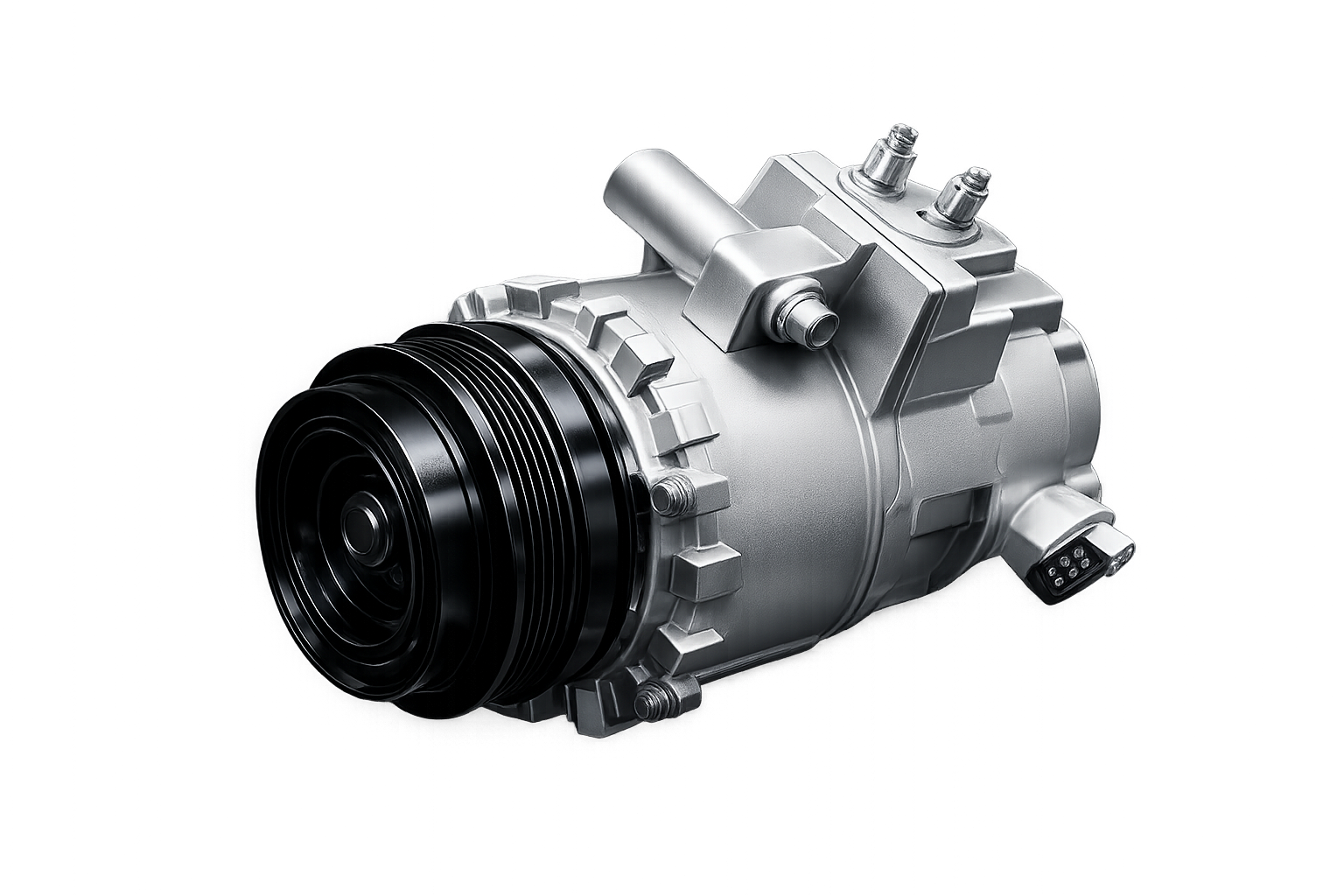
Restore proper cooling and climate performance.
Accurate testing helps separate battery, starter, alternator, and air-conditioning concerns before parts are replaced.
Proper A/C operation helps maintain consistent cabin cooling and clear windows.
A healthy battery, starter, and charging system help your vehicle start dependably.
Stable system voltage supports the control modules and electrical equipment throughout the vehicle.
We evaluate related mechanical, refrigerant, wiring, connection, fuse, relay, switch, and control conditions so the recommendation addresses the actual problem.
Common signs include warm or inconsistent airflow, weak airflow, unusual odors or noises, moisture inside the vehicle, or cooling that changes while driving. We test the system to identify the cause before recommending repairs.
Poor cooling can result from low refrigerant, a leak, compressor or control faults, restricted airflow, electrical problems, or temperature-sensor concerns. Testing helps separate the source instead of treating every cooling problem as a refrigerant issue.
Refrigerant does not normally get used up like engine oil. If the system is low, we evaluate system pressures and look for evidence of leakage or another fault before recommending the appropriate service.
The process may include visual inspection, pressure and temperature testing, electronic leak detection, ultraviolet dye evaluation when applicable, and inspection of accessible hoses, seals, fittings, the condenser, and other components.
Slow or intermittent cranking, dim lights, electrical warnings, repeated jump-starts, or a battery that will not hold a charge can indicate a battery or system concern. We test the battery together with the starting and charging systems.
Warning lights, dim or flickering lights, electrical accessories operating incorrectly, a discharged battery, noise near the belt drive, or voltage-related faults may indicate a charging concern. Testing confirms whether the alternator or another part of the system is responsible.
A click, slow or intermittent cranking, or no crank can involve the starter, battery, cables, switches, relays, security system, or engine condition. We test the starting circuit before recommending a starter.
Testing may include battery state and capacity, cranking performance, charging voltage and current, cable condition, voltage drop, belt drive condition, stored faults, and the vehicle’s electrical demand.
Yes. A battery that repeatedly goes dead may involve the battery, charging system, a light or accessory staying on, a module that does not power down, damaged wiring, or an intermittent draw. We test the system to locate the source before recommending repairs.
Yes. Depending on the concern, testing may include wiring, grounds, connections, fuses, relays, switches, control signals, and related components. We follow the affected circuit so the recommendation addresses the cause instead of replacing parts by guesswork.
Qualifying repairs and applicable parts are covered by our limited 24-month or 24,000-mile warranty, whichever comes first. Coverage depends on the repair and the warranty terms shown on the final invoice.
Timing depends on the symptoms, testing required, repair scope, refrigerant procedure, parts availability, and whether an intermittent electrical concern must be reproduced. We provide a clearer timeline after the initial evaluation.
Accurate testing helps restore dependable comfort, starting, and electrical performance.

Vehicle-specific service backed by careful diagnostics, experienced technicians, and straightforward communication.
2035 N Texas St
Fairfield, CA 94533
Mon–Sat: 8:00 AM–5:00 PM
Sunday: Closed
Key Drop Available